Rooted in Christ Christian Embroidery Review
As an experienced embroidery designer who has spent years refining digital files for commercial use, I approach every new asset with a critical eye. When evaluating Rooted in Christ Christian Embroidery, my goal was to determine its viability for small business merchandise and branded patch applications. This review moves beyond simple aesthetics to analyze how this design functions as a tool for brand identity, customer trust, and professional presentation in the competitive handmade market.
First Impressions: A Blend of Faith and Professionalism
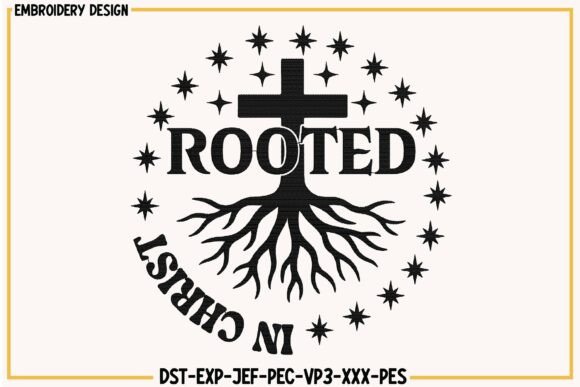
The title Rooted in Christ Christian Embroidery immediately signals a specific niche within the Religion category. However, for a business owner or Etsy seller, the visual personality is what matters most. Based on the description promising a "unique, handcrafted touch," this design appears to balance spiritual significance with modern design sensibilities. It does not feel overly ornate or cluttered, which is a crucial first step for any machine embroidery design intended for apparel or accessories.
In a crowded marketplace, the difference between a generic logo and a premium brand mark often lies in the execution. The concept of being "rooted" suggests stability, growth, and organic beauty. If the final output reflects these qualities through clean lines and thoughtful spacing, it offers a sophisticated look that elevates the perceived value of the finished product. Whether applied to a boutique tote bag or a bakery apron, the design promises to communicate warmth and authenticity without sacrificing professionalism.
Real-World Application for Small Business Merch
The true test of any digital embroidery file is how it translates from a screen to a physical object. I have evaluated how Rooted in Christ Christian Embroidery could perform across various high-demand items for small businesses, including embroidered patches, staff uniforms, caps, and custom apparel.
- Embroidered Patches: For brands selling sew-on patches as standalone products or as add-ons to clothing, this design offers strong potential. The textural depth typical of embroidery can make a patch stand out against denim or canvas, creating a tactile experience that customers love.
- Staff Uniforms and Aprons: In service industries like cafes, florists, or bakeries, consistent branding is vital. Placing this design on chest pockets or left-side aprons provides a subtle yet powerful reminder of the business's values. It transforms a standard work shirt into a branded uniform that fosters team pride.
- Cap Embroidery and Tote Bag Design: Caps require designs that withstand curvature, while tote bags need durability. If the stitch density is managed correctly, this design can serve as a striking focal point on cap fronts or as a centered mark on tote bags, turning everyday carry items into walking advertisements.
- Product Packaging and Gifts: Beyond apparel, this design asset can be used on product labels, hang tags, or even stamped onto packaging materials. Adding a custom tag to a handmade product significantly increases buyer engagement and reinforces the connection between the maker and the consumer.
Strategic Considerations for Specific Use Cases
While the potential is high, there are specific scenarios where caution is required. Not every surface is suitable for every machine embroidery design. When planning to use Rooted in Christ Christian Embroidery on curved surfaces like cap fronts, the distortion of the fabric must be accounted for during digitizing. Similarly, if the design includes tiny lettering or intricate details, it may become illegible when scaled down for small patch sizes or sleeve details.
Fabric texture plays a massive role in the final outcome. On highly textured fabrics like heavy wool or loose-weave linen, fine details might get lost. Conversely, dark uniforms present a challenge; if the thread colors chosen do not offer sufficient contrast, the design will lack definition. Furthermore, items that undergo frequent washing, such as work shirts or aprons, require robust stitching techniques to prevent puckering or thread breakage. Ensuring the design has appropriate underlay and stitch density is essential for longevity.
Impact on Brand Identity and Customer Trust
In the world of handmade products and small business merch, visual consistency is the backbone of brand recognition. A well-executed Rooted in Christ Christian Embroidery project signals attention to detail. Customers subconsciously equate the quality of the embroidery with the quality of the product inside. A crisp, well-centered logo on a tote bag suggests a premium item, whereas a sloppy or misaligned design can undermine confidence in the entire brand.
This design serves as more than just decoration; it is a communication tool. By integrating faith-based imagery into commercial goods, businesses can attract a specific demographic that values integrity and purpose. This alignment fosters deeper emotional connections, turning casual buyers into loyal advocates. When the design is applied correctly, it enhances the handmade presentation, making the product feel personal and curated rather than mass-produced.
Practical Designer Notes for Production
Before committing to a full production run, I recommend following a rigorous testing protocol. First, create a printable mockup to visualize the design in context with your product photos. This allows you to assess scale and placement before cutting expensive fabric. Next, always test the design in black and white on a digital level to ensure the contrast holds up without relying on color.
When moving to the machine, inspect the spacing carefully. Tight spacing can cause the threads to merge, blurring the design's edges. Confirm the hoop size matches your target area; attempting to embroider a large design on a small hoop can lead to severe distortion. Always use proper stabilizer to support the fabric, especially for stretchy materials like t-shirts or hats. If you are working with dark uniforms, select thread colors that pop against the background to maintain clarity.
Finally, compare the design beside other design assets in your collection to ensure visual consistency. Does the weight of the stitches match your other logos? Is the font style compatible? These small details contribute to a cohesive brand image. Additionally, verify commercial licensing terms explicitly. While many digital embroidery files are sold for personal use, using them for branded merchandise requires a specific license agreement to avoid legal issues.
Conclusion for the Modern Maker
Evaluating Rooted in Christ Christian Embroidery reveals a versatile asset with significant potential for small business owners, crafters, and product designers. Its ability to blend spiritual themes with professional aesthetics makes it an excellent choice for branded patches, custom apparel, and promotional items. However, success depends on careful execution, proper material selection, and adherence to technical best practices.
By treating this digital embroidery file as a core component of your brand strategy rather than just a decorative element, you can elevate your product line and build lasting trust with your customers. Whether you are decorating a single hat or launching a full line of merchandise, ensuring the quality of the embroidery is paramount. With the right preparation and attention to detail, Rooted in Christ Christian Embroidery can become a defining feature of your brand's visual identity.