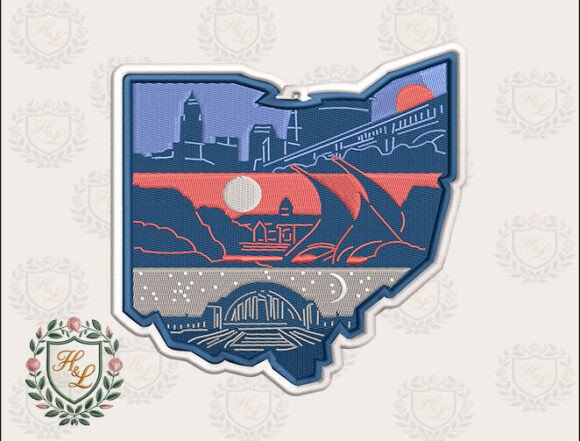
Layers of Ohio Embroidery Files Review
As an embroidery designer who has spent years navigating the nuances of digitizing and stitching, I know that the difference between a mediocre handmade item and a standout product often comes down to the quality of the embroidery file you choose. When I first came across the Layers of Ohio Embroidery Files on Creative Fabrica, my initial instinct was to evaluate it not just as a pretty image, but as a functional asset for real-world projects. Whether you are an Etsy seller looking to expand your catalog or a boutique owner creating custom apparel, the decision to download a specific design requires careful consideration.
This review is based on a practical assessment of how these files might perform in a commercial setting. I approached the Layers of Ohio Embroidery Files with the mindset of a professional preparing for a high-stakes order, such as a batch of tote bags for a local craft fair or personalized baby blankets for a new client. The goal was to determine if this design offers the reliability and visual appeal necessary for serious commercial embroidery.
First Impressions and Design Personality
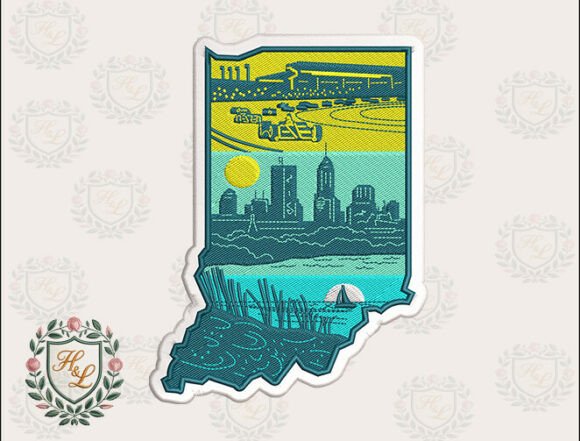
The moment you open the folder containing the Layers of Ohio Embroidery Files, the visual mood becomes apparent. This is not merely a graphic; it is an applique design that promises depth and texture. The layering concept suggests a complexity that can elevate simple items like aprons or kitchen towels into premium gifts. For designers specializing in North American themes, this file offers a distinct regional flair without feeling generic.
The detail level appears robust enough for various applications, from small embroidered patches to larger sweatshirt embroidery. The "layers" aspect implies that the design likely utilizes multiple colors or stitch types to create dimension. In my experience, designs that rely on clever layering rather than just flat fill stitches tend to hold up better over time and look more expensive when finished. The decorative appeal is strong, making it suitable for festive decorations or seasonal handmade gifts where visual impact is crucial.
Performance in Real-World Projects
When considering the versatility of the Layers of Ohio Embroidery Files, one must think about the canvas. Can this design handle the rigors of daily wear? For custom apparel like hoodies and t-shirts, the stability of the stitch pattern is paramount. If the design includes significant satin stitch areas, they must be dense enough to prevent fabric show-through but not so dense that they cause puckering on stretchy fabrics.
I evaluated potential use cases for this digital embroidery file across several categories:
- Tote Bag Design: A sturdy cotton canvas bag is an ideal candidate. The applique nature of the design would add a tactile element that customers love, turning a standard accessory into a statement piece.
- Baby Items and Nursery Decor: For baby blankets or pillow covers, the softness of the finish matters. The layers should lay flat against the skin, ensuring comfort while providing a beautiful focal point for nursery decor.
- Custom Apparel and Sweatshirts: Heavier fabrics like fleece or heavy cotton blends provide excellent support for complex designs. However, testing on scrap fabric is essential to ensure the thread colors contrast well against darker materials.
- Kitchen Towels and Aprons: These items require durability. The Layers of Ohio Embroidery Files must withstand frequent washing without fraying or losing definition, which is critical for maintaining buyer trust in handmade products.
If you are planning to sell these as part of your creative entrepreneurship efforts, the design's ability to photograph well is also a factor. A well-executed applique design catches light beautifully, enhancing your printable mockups and online listings.
Practical Considerations for Stitching
Even the most beautiful design can fail if technical details are overlooked. Before committing to a full production run with the Layers of Ohio Embroidery Files, there are several practical steps every designer should take. First, always check the recommended hoop size. If the design exceeds your machine's capabilities or requires a large frame, it may limit your ability to embroider on curved surfaces like caps or tight areas on cuffs.
Stitch density is another critical factor. Dense stitch areas can cause issues on lightweight fabrics or textured materials. If the design includes intricate lettering or tiny details, verify that the digitizer has accounted for proper spacing. Running stitch elements, if present, should be secure enough to prevent unraveling during the finishing process.
Fabric choice plays a massive role in the final outcome. On dark fabric, thread color contrast becomes a priority; you may need to adjust your color palette or consider underlay techniques to ensure the colors pop. Conversely, on stretchy fabrics, the stabilizer choice is non-negotiable. Using the wrong stabilizer can lead to distortion, ruining the layered effect that makes this design special.
For those working with applique, the precision of the cut-out pieces matters. Ensure that the file instructions (if provided) or the stitch sequence allows for clean edges. Inspecting small details after stitching is vital; sometimes a design looks perfect in the software but reveals flaws once the thread tension is applied to the actual material.
Impact on Product Value and Brand Consistency
In the world of handmade goods and digital product sellers, presentation is everything. A high-quality machine embroidery design directly influences customer perception. When a buyer receives a tote bag or a sweatshirt featuring the Layers of Ohio Embroidery Files, the quality of the stitching speaks volumes about your brand. Neat, consistent layers convey professionalism and care, fostering buyer trust and encouraging repeat business.
Furthermore, using a cohesive design theme helps maintain brand consistency across your product line. If you are selling a collection of home goods, having a signature design style that ties your pillows, aprons, and wall hangings together creates a memorable visual identity. The Layers of Ohio Embroidery Files could serve as a cornerstone for such a collection, adding a touch of regional pride and artistic flair.
However, it is important to remember that the file is only half the equation. The finished product depends heavily on your execution. To maximize the value of your handmade product, invest time in learning the specific requirements of this design. Read the product details on Creative Fabrica carefully to understand any licensing terms regarding commercial use. Confirming these legalities ensures that you can sell your finished items with confidence.
Final Thoughts for the Creative Entrepreneur
The Layers of Ohio Embroidery Files presents itself as a versatile tool for designers looking to add depth and character to their projects. Its applique structure offers opportunities for creativity that flat designs cannot match. Whether you are creating a unique gift for a loved one or developing a new line of merchandise for your shop, this design has the potential to deliver impressive results.
Before downloading, I recommend reviewing the specific file details, including available formats and suggested thread colors. Test the design on a scrap of the intended fabric to confirm the stitch density and alignment. By taking these precautions, you can ensure that the Layers of Ohio Embroidery Files integrates seamlessly into your workflow, helping you produce high-quality, market-ready items that stand out in a crowded marketplace.
Ultimately, the success of any embroidery project lies in the harmony between the digital design and the physical execution. With the right preparation and attention to detail, this design can become a valuable asset in your portfolio of design assets.