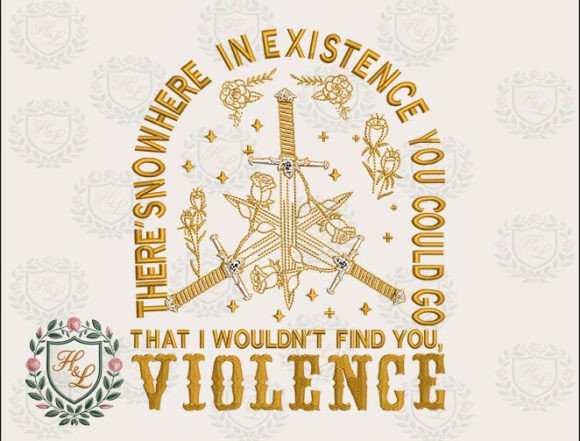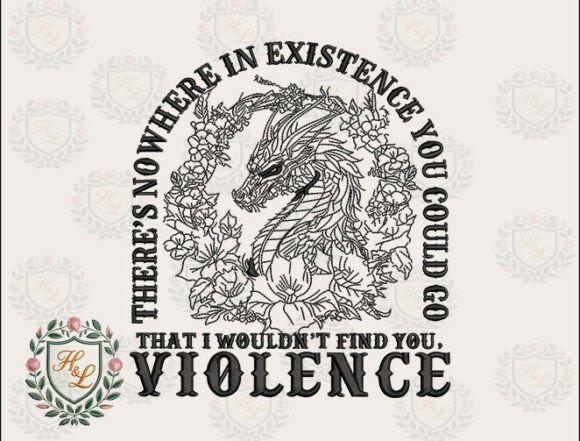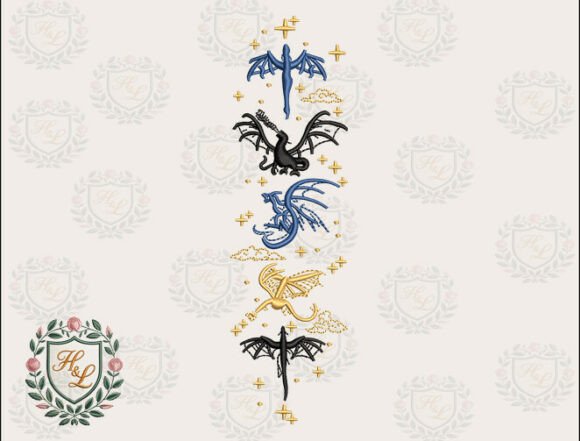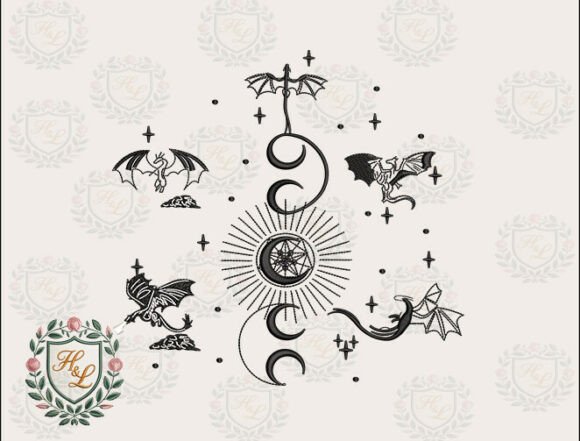
Fourth Wing Embroidery Files Review for Craft Fairs
I have spent years designing and digitizing patterns for the handmade market, so I know exactly what makes a machine embroidery design fly off a craft fair table. When I first looked at the Fourth Wing Embroidery Files, my immediate thought was not about the stitch count or file format, but about the visual impact it would have on a busy booth. The title suggests something bold, perhaps mythical or adventurous, which fits perfectly into the Fairy Tales category while offering a unique twist for modern buyers. As an experienced designer preparing for a weekend market, I had to ask myself: does this design hold up under scrutiny? Will it look premium in person? And most importantly, will it drive sales?
The product description highlights that these are high-quality digital appliqué designs perfect for shirts, tote bags, pillows, and festive decorations. This versatility is the first selling point I noticed. In my experience, the best handmade product lines offer variety without requiring the maker to buy entirely new equipment. If I can take one embroidery file and turn it into a cohesive collection of goods, my profit margins improve significantly. Let's dive into how Fourth Wing Embroidery Files performs across different surfaces and why it might be the centerpiece of your next booth display.
First Impressions and Visual Appeal
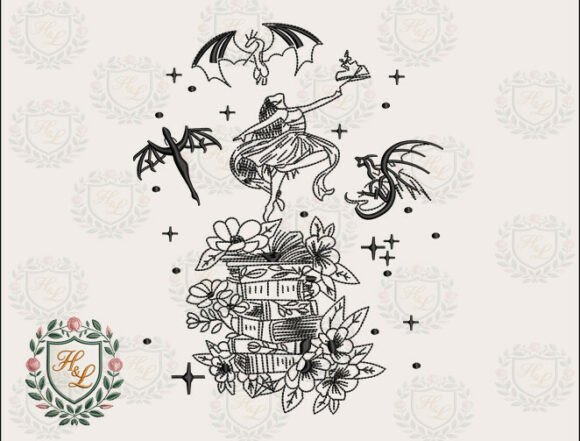
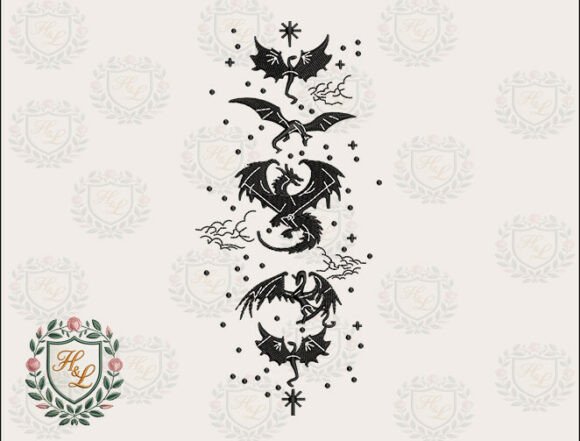
When you first see a design like Fourth Wing Embroidery Files, you need to gauge its style immediately. Does it feel cute, rustic, elegant, or modern? Based on the name and the application notes, this design leans towards a bold, decorative aesthetic that stands out against plain backgrounds. For a craft fair seller, visibility is everything. A design that looks flat or lacks detail will get lost in a sea of generic items. This design appears to have enough character to act as a focal point rather than just a small accent.
For an Etsy seller or boutique maker, the ability to photograph a finished product that pops is crucial. A design with strong lines and clear definition translates beautifully to photos. If the design feels too delicate, it might get lost on a dark background or a textured surface. However, if it has the right balance of density and negative space, it creates a sense of quality that justifies a higher price point. I imagine this design working well as a statement piece on a canvas tote bag, where the contrast between the fabric and the thread catches the eye from several feet away.
Product Versatility: From Totes to Tea Towels
The real test of any digital embroidery file is its adaptability. Can it handle the stress of being stitched on different materials? Here is how I envision using Fourth Wing Embroidery Files in a real-world production scenario:
- Tote Bag Design: This is likely the hero product. A sturdy canvas tote provides a perfect canvas for appliqué work. The design could serve as a large focal point on the front or a subtle logo on the side. Customers love functional art, and a tote with a unique, high-quality embroidered motif sells faster than plain bags.
- Apron Embroidery: For the home cook or artisan baker, an apron featuring this design adds a personal touch. It transforms a utilitarian item into a giftable masterpiece. The design needs to be positioned carefully to avoid the neck strap area, but on the bib or lower pocket, it shines.
- Tea Towel Embroidery: Kitchen textiles are huge in the handmade market. A tea towel with a whimsical or bold design fits the farmhouse and modern trends alike. Just ensure the fabric texture does not interfere with the stitch clarity.
- Embroidered Patch: You can create detachable patches from this design to sell separately or attach them to hats and backpacks. Patches are low-risk inventory items that appeal to younger demographics looking for accessories.
- Pillow Covers and Market Bags: Home decor and reusable shopping bags are perennial sellers. This design adds a "crafted" element that mass-produced items lack, giving your shop a distinct brand identity.
Each of these items represents a potential revenue stream. By using one versatile design asset, you can create a unified booth display that tells a story. Whether it is a stack of folded towels, a row of hanging totes, or a cluster of pillows, the consistency of the design strengthens your brand presence.
Production Practicality and Batch Selling
As a professional, I always consider the time-to-production ratio. Is this design easy to understand at a glance? Can it be produced in batches without losing quality? For a small shop product, efficiency is key. If the design requires constant re-hooping or complex adjustments, it eats into your profit margin.
I suspect Fourth Wing Embroidery Files works well for batch production because of its potential for clear outlines. Designs that are too intricate often require slowing down the machine speed, which limits output. However, if the design allows for standard speeds and has a logical flow for the needle, you can churn out multiple units during a prep week before a fair. The question of whether it photographs well for online listings is also tied to this; consistent results mean consistent marketing images.
However, there are caveats. Dense stitch areas can sometimes cause puckering if the stabilizer is not chosen correctly. Tiny details might get lost if the design is scaled down too much for a small pouch or cap. Before committing to a full run, I always advise testing the design on scrap fabric to check the stitch density and thread colors. You want to ensure that the contrast remains sharp and that the design does not look muddy when finished.
Critical Considerations for Success
To maximize the value of this commercial embroidery project, you must pay attention to the technical details. Here are some practical notes based on my experience with similar projects:
- Check Hoop Size and Fabric Texture: Ensure your hoop size accommodates the full design without cutting off edges. Also, consider the fabric texture; rough linen might hide fine details, while smooth cotton poplin will show every stitch clearly.
- Stabilizer Selection: For items like aprons or heavy tote bags, a cut-away stabilizer is usually necessary to prevent distortion over time. For lighter fabrics, a tear-away might suffice, but always test first.
- Thread Contrast: The visual appeal of the design relies heavily on color choice. If the design features light threads on a dark background, ensure the thread weight is sufficient to cover the fabric completely.
- Commercial Licensing: Before selling finished products, confirm the commercial licensing terms included with the embroidery file. Some licenses restrict the number of units you can produce or the types of items you can sell.
- Create Real Mockups: Do not rely solely on digital mockups. Create at least one physical sample to use as a reference for lighting and photography. A real photo of the texture and sheen of the thread builds more trust with buyers than a generated image.
Final Thoughts for the Creative Entrepreneur
In the competitive world of craft fairs and online marketplaces, standing out requires more than just a good idea; it requires a product that delivers on quality and aesthetics. Fourth Wing Embroidery Files seems poised to be a strong contender for your inventory. Its potential to transform simple items like tote bags and pillow covers into premium gifts is evident.
By treating this design with care—testing on scraps, choosing the right stabilizer, and presenting it in a cohesive booth display—you can create a line of products that resonates with customers. Whether you are a seasoned veteran or a new Etsy seller, paying attention to the nuances of finished product quality will set you apart. Take the time to explore the possibilities of this design, and you might just find it becomes the star of your next handmade collection.