Delicate Butterfly Embroidery Design Review
As an experienced embroidery designer who has spent years refining machine embroidery designs for commercial use, I approach every new asset with a critical eye. When evaluating a product like the Delicate Butterfly Embroidery Design, I am not just looking at aesthetics; I am assessing its viability as a tool for brand building. The description speaks of poetry, flight, and transformation, suggesting a piece that is gentle and dreamy. But can this design hold up under the rigors of small business merchandise? Can it serve as a durable logo on a staff uniform or a premium accent on a boutique tote bag? This review breaks down exactly how this design performs in real-world applications.
The First Impression: Visual Personality and Brand Fit
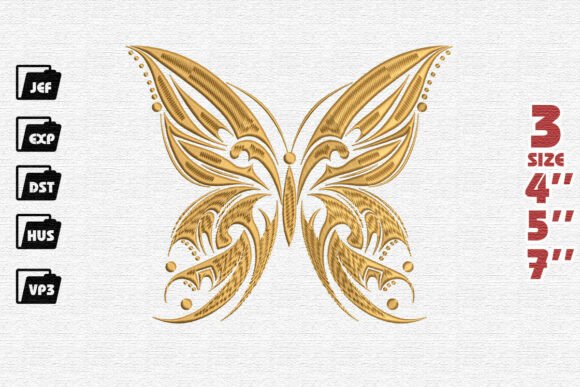
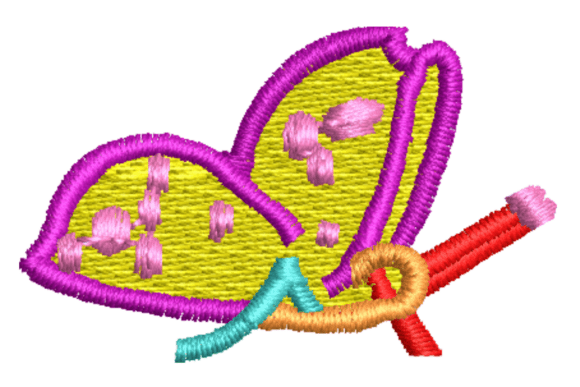
The moment you view the Delicate Butterfly Embroidery Design, the intended vibe is immediately clear. It feels elegant, playful, and distinctly handmade. Unlike bold, blocky logos designed for high visibility, this design captures a sense of grace. It suggests a brand that values beauty, nature, and perhaps a touch of whimsy. For a small business owner, this visual personality translates into specific brand attributes: trustworthiness, creativity, and a customer-centric approach.
This design would be a perfect fit for a creative studio, a local florist, a boutique bakery, or a handmade pet brand. The imagery of wings spread wide evokes freedom and lightness, which are powerful emotional triggers for customers. However, if your brand identity is strictly industrial, corporate, or rugged, this design might feel too soft. It excels in contexts where the goal is to create a warm, inviting atmosphere rather than a stark, authoritative statement.
Real-World Applications for Small Business Merch
In my experience working with digital embroidery files, the versatility of a design determines its value. The Delicate Butterfly Embroidery Design offers several compelling avenues for small business merch. Its graceful lines make it an ideal candidate for an embroidered patch. Patches allow businesses to add texture and dimension to items without overwhelming the garment. Imagine a leather patch featuring this butterfly sewn onto the back of a denim jacket sold by a vintage shop, or a fabric patch adorning the pocket of a barista's apron.
Beyond patches, consider its potential as a chest logo accent. While it may not replace a primary logo for a large corporation, it serves beautifully as a secondary mark on custom apparel. Placing it on the left sleeve of a work shirt or near the hemline of a tote bag design adds a subtle touch of branding that feels curated rather than mass-produced. For Etsy sellers and crafters, this design is a goldmine for branded product labels. A small version stitched onto the tag of a handmade candle or a silk scarf elevates the perceived value of the finished product significantly.
Furthermore, this design shines in event merch. Whether for a wedding, a garden party, or a community fundraiser, the theme of transformation aligns perfectly with celebratory occasions. You could use it on caps for a bridal party or as a decorative element on gift bags. The design acts as a silent ambassador for your brand, reinforcing recognition every time a customer wears or uses the item.
Strategic Limitations and Careful Considerations
While the design is beautiful, a professional must acknowledge where it requires caution. The delicate nature of the butterfly means it may struggle when scaled down too aggressively. If you attempt to embroider this as a tiny detail on a cap front or a very small patch, the fine lines might disappear or merge together, losing the definition that makes it so charming. Always test the design at the intended final size before committing to a full production run.
Curved surfaces present another challenge. Embroidering on a curved cap front requires careful digitizing to ensure the wings do not look distorted. Similarly, textured fabrics like heavy canvas or rough linen can obscure the finer details of the design. On dark uniforms, the contrast becomes critical. Without proper thread color selection, the gentle wings might get lost against a black or navy background. In these cases, a satin stitch outline or a contrasting backing color might be necessary to maintain visibility.
High stitch density is also a factor to monitor. Designs with intricate details often require more stitches, which can lead to puckering if the stabilizer is not adequate. Frequent washing is another consideration for items like aprons or work shirts. Delicate embroidery can sometimes snag or fray if the thread quality is low or if the design is placed in a high-friction area. Therefore, while the design is versatile, it demands respect for its structural limitations.
Impact on Brand Identity and Customer Trust
The choice of design assets directly influences customer perception. A well-executed Delicate Butterfly Embroidery Design signals attention to detail. It tells the customer that the business cares about quality and presentation. In the competitive landscape of handmade products and boutique retail, this level of care builds credibility. Customers are more likely to trust a brand that invests in high-quality embroidery, viewing it as a reflection of the product's integrity.
Visual consistency is key to professional branding. If your other marketing materials feature clean, modern graphics, introducing a rustic, hand-drawn style butterfly might create a disconnect. However, if your brand voice is rooted in artisanal craftsmanship, this design reinforces that narrative. It creates a cohesive story across all touchpoints, from the digital mockups used for client approval to the physical finished product in the customer's hands. This consistency fosters loyalty and encourages repeat engagement.
Practical Notes for the Embroidery Designer
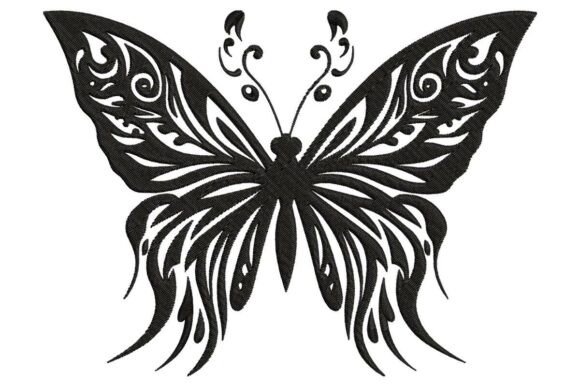
Before integrating this design into your commercial workflow, there are essential technical steps to take. First, always test the design in black and white. This helps you evaluate the stitch density and spacing without the distraction of color. Does the negative space hold up? Are the wings distinct enough?
Review the thread colors carefully. Ensure there is sufficient contrast between the design elements and the fabric. Inspect the spacing within the design file to ensure no elements are too close together, which can cause thread breaks. Confirm the hoop size requirements; some designs need larger hoops to accommodate the full spread of the wings without cutting off parts of the image.
Never skip the stabilizer check. Using the wrong type of stabilizer can ruin even the best design. Test on real fabric samples that match your final product, including any stretch or texture variations. Create a printable mockup for client approval to visualize how the design will look in context. Finally, compare this asset beside your other design files to ensure it fits the overall aesthetic of your collection. Most importantly, confirm the commercial licensing terms before using this file for paid projects or resale items.
By following these guidelines, you can transform the Delicate Butterfly Embroidery Design from a simple graphic into a powerful tool for your small business. Whether you are creating custom apparel, branded patches, or unique product accents, this design offers a blend of elegance and utility that can elevate your brand presence.