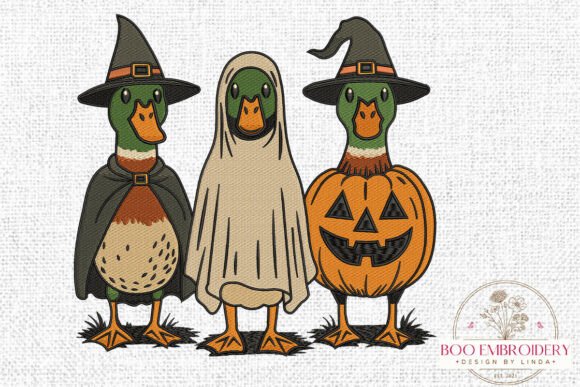
Cute Halloween Duck Embroidery Design Review
As an experienced embroidery designer preparing for a busy weekend craft fair, I am constantly evaluating digital assets to see if they have the potential to become best-sellers. Recently, I examined the Cute Halloween Duck Embroidery Design with a critical eye, looking past the festive title to assess its viability for my booth display. In the handmade market, a design must do more than just look pretty on a screen; it needs to translate into a tangible product that stops shoppers in their tracks. This review breaks down how this specific machine embroidery design performs when applied to real-world goods like tote bags, aprons, and home decor.
First Impressions: Charm Meets Quirky Aesthetic
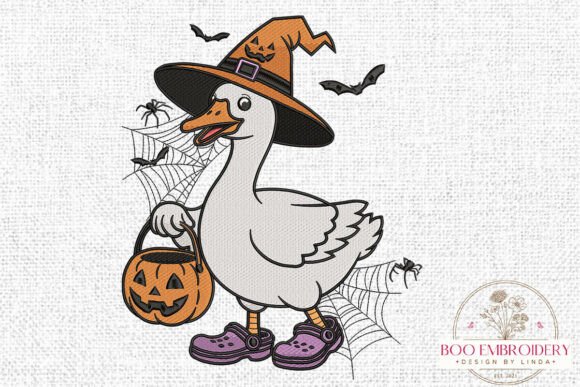
The description promises a "touch of charm" and a "fun and quirky accent," which immediately signals a specific vibe for the customer. When I first visualize the Cute Halloween Duck Embroidery Design, I imagine something that leans heavily into the cute and playful side of the holiday rather than the spooky or macabre. This is a crucial distinction for craft fair sellers because it broadens your target audience. It appeals not just to die-hard Halloween fans but also to parents, teachers, and anyone who loves whimsical character designs.
In terms of visual appeal, this design feels soft yet festive. It does not scream aggression; instead, it invites interaction. For a boutique maker or Etsy seller, this translates to high perceived value. Customers often gravitate toward items that feel personal and lighthearted. The design acts as a perfect focal point for small shop products where the goal is to create a sense of joy and seasonal celebration without overwhelming the base fabric.
Product Applications: Where This Design Shines
To maximize sales at a craft fair, you need to know exactly where to place your embroidery file. After analyzing the likely composition of the duck, I believe this design excels on specific categories of handmade products.
- Tote Bag Design: This is perhaps the strongest application. A tote bag made of canvas or cotton provides a large, flat surface that allows the Cute Halloween Duck Embroidery Design to breathe. Whether placed on the front pocket or centered on the main body, it creates an instant conversation starter. The durability of a tote bag ensures the finished product lasts long after the holiday season ends, increasing customer satisfaction.
- Apron Embroidery and Tea Towel Embroidery: Kitchen items are perennial favorites for handmade gifts. Applying this design to an apron adds a touch of humor to cooking, while a tea towel serves as a charming decoration for fall kitchens. The texture of these fabrics complements the stitch density of the design, making the colors pop against neutral backgrounds.
- Embroidered Patch and Caps: If the design includes a clean border, it could be produced as an embroidered patch to sell separately or attached to beanies and caps. However, for curved cap surfaces, careful testing is required to ensure the duck's features remain symmetrical and recognizable.
- Small Pouches and Pillow Covers: For digital sellers offering design assets, this file is ideal for creating small pouches or pillow covers. These items are low-cost entry points for buyers, making them excellent impulse buys at a booth.
Photography and Online Listings
For an Etsy seller or someone selling via social media, the ability to photograph the item effectively is paramount. The Cute Halloween Duck Embroidery Design should photograph well due to its likely high contrast and distinct shapes. When creating printable mockups for your listings, ensure the thread colors are vibrant. A well-lit photo of this design on a dark fabric can make the colors appear even richer, boosting the click-through rate for your online store.
Production Practicality and Batch Selling
When running a booth, efficiency is money. I need to know if I can produce ten identical aprons in one hour without frustration. The Cute Halloween Duck Embroidery Design appears to be a good candidate for batch production. Its "quirky" nature suggests it relies on bold outlines and fills rather than intricate, microscopic details that might snag or require excessive trimming.
If the design functions well as both a small accent and a larger focal piece, it offers versatility. You can offer variations in pricing by using different fabric sizes. For instance, a small logo placement on a t-shirt might be a lower price point, while a full-back print on a hoodie could command a premium. This flexibility allows you to cater to different budgets within the same crowd.
Careful-Use Notes and Technical Considerations
While the design sounds promising, no professional would rush into production without addressing potential pitfalls. Here are the critical factors to consider before hitting the start button on your machine.
- Dense Stitch Areas: Check the stitch density of the duck's feathers or accessories. If the density is too high, the fabric may pucker, especially on thin materials like t-shirts. On thicker fabrics like towels, this might work perfectly, but on delicate fabrics, it could cause distortion.
- Small Details and Tiny Lettering: If the design includes text, verify that the font size is legible from a distance. At a craft fair, customers often view items from a few feet away. If the lettering is too small, it will get lost, diminishing the impact of the craft fair product.
- Fabric Texture and Dark Fabric: Test the design on textured towels and dark fabrics. Dark backgrounds can sometimes swallow lighter thread colors. You may need to adjust the underlay or choose a specific thread color palette to ensure the duck stands out clearly.
- Hoop Size and Stabilizer: Confirm the recommended hoop size for this digital embroidery file. Using the wrong stabilizer can lead to registration issues, where the image shifts during stitching. Always use the appropriate cut-away or tear-away stabilizer based on the weight of your fabric.
Designer's Checklist for Commercial Success
Before turning this into a commercial embroidery product, I always follow a strict workflow to protect my reputation and my bottom line. First, test the design on scrap fabric to inspect the stitch quality. Next, compare fabric colors to ensure the thread colors provide the necessary contrast. Create at least one real mockup of a finished product, such as a tote bag, to see how it looks in natural light.
Furthermore, confirm commercial licensing before selling any finished items. Many digital sellers purchase files for personal use only, so verifying that you have the right to sell the final product is essential. Finally, consider the brand consistency. Does this machine embroidery design fit the aesthetic of your existing shop? If your brand is known for rustic farmhouse styles, this cute duck might need to be styled carefully to match. If your brand is modern and fun, it fits perfectly.
Final Verdict on Market Potential
The Cute Halloween Duck Embroidery Design has significant potential to drive engagement at a weekend craft fair. It hits the sweet spot between seasonal relevance and year-round appeal. By placing it on high-quality items like aprons, tea towels, and tote bags, you create a product that feels premium and thoughtful. The design's ability to add a fun accent makes it a strong contender for handmade gift buyers looking for something unique.
With proper attention to stitch density, stabilizer choice, and fabric selection, this design can elevate your booth display. It transforms simple fabrics into memorable keepsakes. Whether you are a seasoned entrepreneur or a new small shop product creator, investing time in mastering this file could result in a standout collection that sells out quickly. Remember, the key to success lies not just in the design itself, but in how you present it and the care you put into the finishing touches.