Abstract Mountain River Embroidery Review
I have spent years reviewing digital assets for my own boutique line and for clients who need reliable machine embroidery design files that actually hold up in production. Most of the time, I am looking for something with a clear structure and predictable stitch behavior. When I first encountered Abstract Mountain River Embroidery, I was intrigued by its promise to blend nature themes with modern art aesthetics. It is not just another generic landscape; it is a study in shapes and lines that feels distinctly contemporary. For anyone running a Etsy seller account or managing a small shop product line, finding a design that bridges the gap between hobbyist charm and professional polish is a constant challenge. This review breaks down how this specific file performs when moved from the screen to the hoop.
The First Impression: Mood and Visual Personality
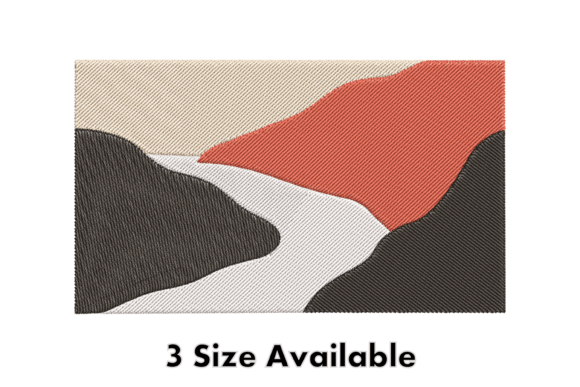
The immediate feeling you get from Abstract Mountain River Embroidery is one of calm but dynamic movement. Unlike traditional floral or geometric patterns, this design relies on the interplay of negative space and bold strokes to suggest a river cutting through a mountain range. The visual personality is modern, clean, and slightly minimalist. It creates a mood that works exceptionally well for brands focused on outdoor gear, wellness products, or modern home decor. The layout is balanced, which suggests it will sit well on various garment placements without overwhelming the wearer.
For a designer evaluating this as a potential asset, the abstract nature is its strongest suit. It avoids the clutter often found in detailed pictorial designs, making it easier to execute cleanly on different fabric types. The shape language is strong enough to be recognized even at smaller scales, which is crucial for items like caps or baby onesies. However, because it leans into an artistic interpretation rather than photorealism, it requires a certain level of confidence in the stitching process to ensure the "abstract" elements don't look like mistakes. The design feels right at home in a collection meant for nature lovers and modern art enthusiasts alike.
Real-World Application: From Screen to Stitch
Let's imagine a real scenario where I would use this file. I am preparing a custom embroidered tote bag for a local craft fair. The goal is to create a piece that stands out among the typical floral and slogan-heavy bags. I pull up Abstract Mountain River Embroidery and visualize it stitched in a deep forest green thread on a natural canvas background. The contrast is striking. The abstract lines of the river cut through the heavy canvas texture, creating a tactile experience that flat prints simply cannot match.
This same design could easily transition to a sweatshirt embroidery project for a men's apparel line. The upper line machine embroidery file aspect mentioned in the description suggests a streamlined approach that works well on heavier fabrics like fleece or cotton blends. If I were to produce these as personalized gifts for a holiday season, the design offers a sophisticated alternative to the standard snowflakes or reindeer motifs. It signals quality and thoughtfulness, elevating the perceived value of the finished product. Whether applied to a kitchen towel, a pillow cover, or a baby item, the design carries a sense of intentionality that customers appreciate.
In the context of commercial embroidery, versatility is key. This file fits seamlessly into a catalog of design assets for creative entrepreneurs. It can serve as a logo element for a hiking club or a decorative accent on a boutique apron. The ability to scale it across three sizes means I can maintain consistency across a product line, from a large back-print on a hoodie to a subtle chest logo on a t-shirt for kids. The adaptability makes it a practical choice for small business owners who need to maximize their inventory with minimal new purchases.
Where Caution Is Required
Despite its strengths, Abstract Mountain River Embroidery is not a universal solution for every situation. There are specific constraints that any experienced embroiderer must respect. For instance, using this design on textured fabrics like bouclé or heavily napped materials might obscure the fine details of the abstract lines. The clarity of the design depends heavily on the stability of the base material. On thin or stretchy fabrics, such as lightweight jersey or sheer silks, the density of the fill stitches could cause puckering if not stabilized correctly.
Dark fabrics present another consideration. While high-contrast thread colors usually solve this, the abstract nature of the design relies on subtle tonal shifts that might get lost under heavy stitching on black or navy backgrounds. Additionally, while the design is available in multiple sizes, applying it to very small hoop sizes requires careful scrutiny. Tiny corners or intricate intersections in the mountain shapes might become muddy if the resolution of the digitization does not support the reduced scale. Curved surfaces like baseball caps also demand a test run; the flow of the river lines needs to follow the curvature of the hat without distorting the intended geometry.
Impact on Product Value and Brand Perception
The decision to use Abstract Mountain River Embroidery directly influences customer trust and brand consistency. A well-executed embroidery job speaks volumes about the care put into a handmade product. When the stitches are crisp and the design sits perfectly flat, it reassures the buyer that they are purchasing a durable, high-quality item. In the competitive world of online marketplaces, the visual appeal of the finished product is often the deciding factor in a sale. This design adds a layer of sophistication that can justify a higher price point compared to basic graphic tees or simple monograms.
Furthermore, the unique aesthetic helps with recognition. Customers browsing a shop full of similar products will notice the distinct artistic style of the mountain river motif. It transforms a standard commodity into a statement piece. For those selling embroidered patches or custom apparel, this design offers a way to build a cohesive brand identity that resonates with a modern, artistic demographic. It moves beyond mere decoration and becomes a signature element of the maker's portfolio.
Practical Designer Notes for Success
If you are planning to integrate this file into your workflow, there are several critical steps to ensure success. First and foremost, always test the design on scrap fabric before committing to a final product. This allows you to check thread color contrast and observe how the stitch density interacts with your specific material. Reviewing the design in black and white mockups can also help you gauge the balance of light and dark areas, ensuring the composition holds up regardless of the thread palette.
Using the proper stabilizer is non-negotiable. Because the design features both satin and fill stitches, a stable foundation is needed to prevent distortion. Confirm the recommended hoop size for each variation of the file to avoid clipping important details. Inspect the small details closely; sometimes, abstract lines can merge during the digitizing process, so a quick zoom-in on the digital file can save hours of rework. Finally, verify whether the license terms allow for commercial use if you intend to sell the finished items. Many digital products come with restrictions, and understanding these boundaries protects your business from legal issues.
In conclusion, Abstract Mountain River Embroidery is a compelling addition to any library of digital embroidery files. It offers a fresh take on nature-inspired themes that appeals to a wide audience. By approaching it with the right preparation and technical awareness, designers and small business owners can create stunning finished products that stand out in a crowded market. Whether you are crafting a personal gift or scaling a commercial operation, this design provides the artistic depth and structural reliability needed for serious work.